
Blog
- 21 August 2022
What is a trampoline and what are its types?
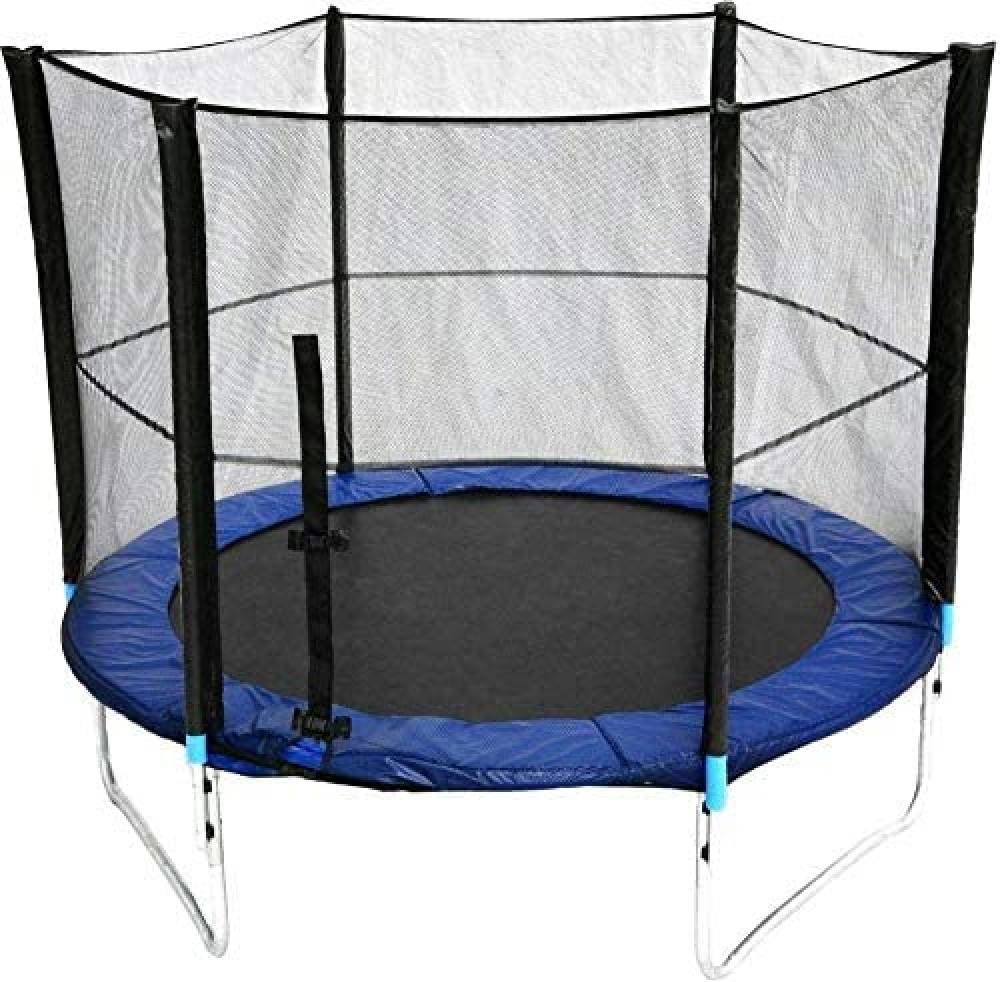
The trampoline is considered a recreational and sporting tool at the same time. It was first used at the University of Iowa in 1934 AD by American gymnasts George Nessen and Larry Griswold. In addition to being used as a training tool to enhance acrobatic skills in various other sports such as gymnastics, diving, skiing and other sports.
When did the trampoline start in the Olympics?
The appearance of the trampoline in the Sydney Olympics was in the year 2000 AD.
Types of trampoline
There are two types of trampolines:
1 - Ordinary trampoline: The regular trampoline, which has a height of about 90 cm to 120 cm from the ground, is designed to practice various sports.
2 - Mini trampoline: It is intended for specific exercises only, and not others, for example, rebound exercises, and its height from the ground is from 30 cm to 60 cm.
The main benefits of trampoline
1 - It stimulates blood circulation and improves the functions of the lymphatic system, through the force resulting from jumping, which stimulates blood circulation in a clear way in the entire body.
2 - Triple the white cells. After jumping on the trampoline for 10 minutes, you will feel a huge increase in the number of white cells and works to enhance immunity in the body. The immune system of the human body represented by these cells is at its best while playing the trampoline sport.
3 - Elimination of internal toxins in the body, the trampoline is a complete wash of the lymphatic system and secretes the enhanced lymphatic fluid, which works to eliminate all toxins in the body as soon as you practice the trampoline sport.
4 - Improving the digestion process and the process of muscle contraction and relaxation during jumping, and helps to clean the human intestines and improves the digestion process in the body.
5 - The best exercise for diet and diet: Jumping on a trampoline for 20 minutes is equivalent to running for an hour without any negative effects on the joints, unlike what can happen during running, jumping rope and the rest of aerobics exercises. manifold for the human body.
6 - Trampoline protects against varicose veins by increasing blood circulation and blood flow to all parts of the human body, thus reducing the pain caused by varicose veins.
7- It increases bone mass. Jumping on a trampoline prevents osteoporosis, which affects the elderly as well as the young now. Jumping leads to building bone density, which means strong bones.
8- It works to get rid of cellulite. Jumping on a trampoline reduces the percentage of cellulite in the body, as a result of stimulating blood circulation and increasing the secretion of lymph fluid, since the vibrations resulting from muscle contraction push the lymph fluid out of the areas where cellulite is.


